Why Ignoring a Dying Tree Can Be Dangerous

Home > Blog

Why Ignoring a Dying Tree Can Be Dangerous

IMG_3577

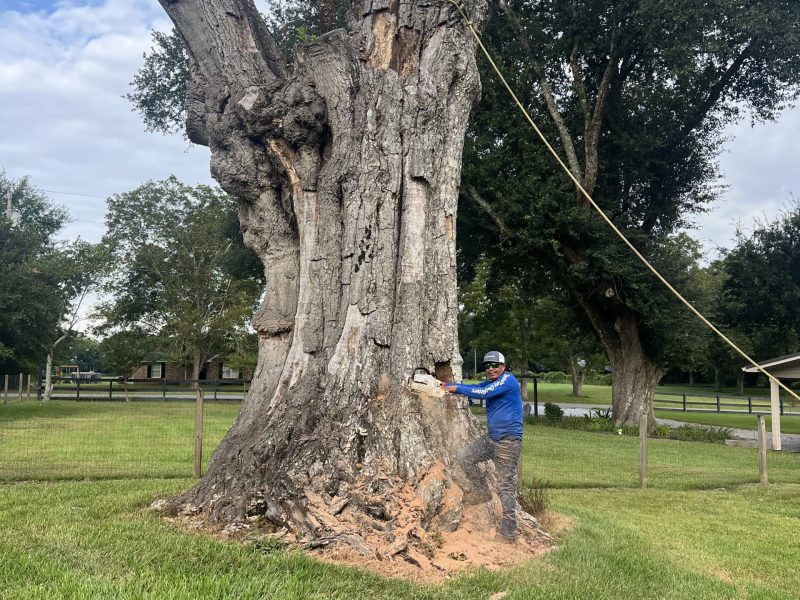
A dying tree may not seem urgent at first, but deterioration happens quickly and often goes unnoticed until the tree becomes a serious hazard. When a tree is weakened by disease, pests, or structural decline, it becomes unpredictable and far more likely to fall—especially during storms or high winds. Understanding the risks of ignoring a dying tree can help you protect your home, prevent accidents, and avoid costly damage.

In this post, we’ll explain why dying trees pose a major threat, the warning signs homeowners often overlook, and when it’s time to call a professional.

Why Taking Action Matters

Dying trees lose stability, weaken internally, and attract harmful pests. When these issues are ignored, the consequences can become severe. Acting early helps avoid:

  • Sudden tree failure: Weak trees can collapse without warning.

  • Property damage: Falling branches or entire trees can destroy roofs, fences, and vehicles.

  • Increased storm risk: Dying trees are the first to fall during severe weather.

  • Higher removal costs: Advanced decay makes removal harder and more expensive.

  • Pest infestations: Dead wood attracts termites, carpenter ants, and other invasive insects.

  • Safety hazards: Trees in decline pose risks to people, pets, and neighbors.

Addressing problems early keeps your property safe and prevents unexpected emergencies.

Common Signs a Tree Is Dying

A dying tree often shows visible symptoms long before it becomes hazardous. Here are the most common indicators:

  • Large Dead Branches

  • Peeling or Cracked Bark

  • Hollow or Soft Spots in the Trunk

  • Sparse or Discolored Leaves

  • Fungal Growth Around the Base

  • Weak or Unstable Root System

  • Branches Dying from the Top Down

How to Know When a Dying Tree Must Be Removed

Removal may be necessary when you notice:

  • The tree has lost most of its foliage outside of normal seasonal changes

  • Deep cracks, cavities, or soft wood in the trunk

  • Leaning, shifting, or unstable posture

  • Repeated branch failure, even in calm weather

  • Extensive pest or fungal activity

  • Roots that appear decayed, hollow, or detached

  • A risk to nearby structures, driveways, or power lines

A professional inspection determines whether the tree can still be saved or if removal is the safest option.

Protect Your Property with Professional Tree Removal Services

Ignoring a dying tree can lead to dangerous and expensive consequences. At Solution Tree Services LLC, we specialize in identifying hazardous trees, diagnosing the cause of decline, and providing safe and efficient removal when necessary. With more than 20 years of experience, our team uses professional equipment and proven techniques to protect your home, your family, and your landscape.

Contact us today for a free evaluation. We’re available 24/7, speak English and Spanish, and serve up to 100 miles around Ocean Springs, MS.

have anything to ask ?

call us anytime

At Solution Tree Service LLC, we pride ourselves on being your trusted partner in keeping your natural environment in pristine condition.

Contact Info

Copyright © 2026 Solution Tree Service LLC. All rights reserved.