- mairenaorlando04@gmail.com
- 1017 Ash St, Ocean Springs, MS 39564
- Mon to Sun - Open 24 hours

How to Evaluate If a Tree on Your Property Is a Safety Hazard
Home > Blog
How to Evaluate If a Tree on Your Property Is a Safety Hazard
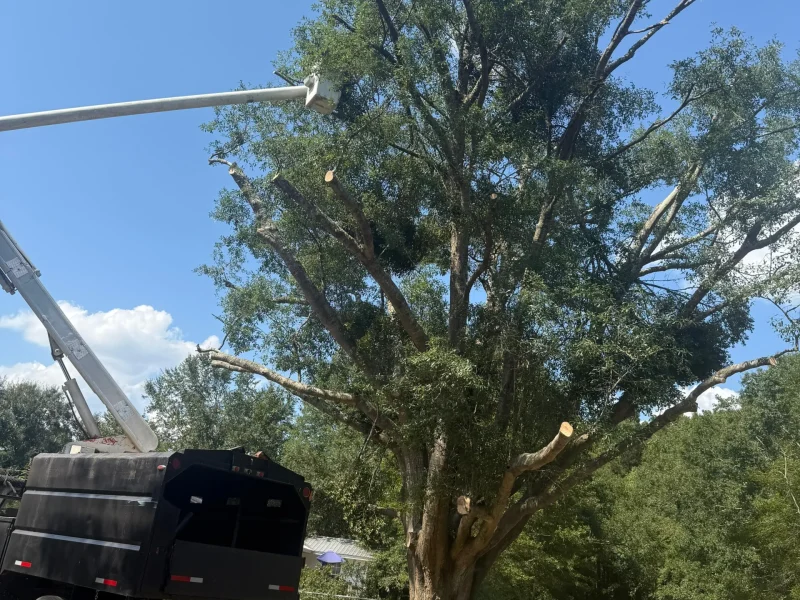
A healthy, well-maintained tree is an asset to any property—but a damaged, unstable, or neglected tree can quickly become a serious safety risk. Knowing how to identify warning signs early can help you prevent property damage, injuries, and costly emergencies. Below is a simple guide to help homeowners recognize when a tree may be dangerous and needs professional attention.
1. Look for Dead or Falling Branches
Branches that are dry, brittle, or constantly falling are often the first signs of trouble. Dead limbs can drop without warning, especially during strong winds or storms. If you notice multiple dead branches—or branches hanging over your home, vehicles, or walkways—it’s time to get the tree inspected.
2. Check for Leaning or Sudden Tilt
Some trees naturally grow with a slight lean, but a new or increasing lean is a major red flag.
A tree that suddenly tilts after heavy rain, construction work, or strong winds may have weakened roots or compromised stability, making it more likely to fall.
3. Examine the Trunk for Cracks, Cavities, or Decay
The trunk is the support system of the tree. Signs of a weakened trunk include:
Deep cracks or splits
Hollow areas or large cavities
Soft, spongy wood
Missing bark or large peeling sections
These symptoms often indicate internal decay, which can significantly reduce the tree’s structural strength.
4. Inspect the Roots and Soil Around the Base
Tree roots play a crucial role in stability. Warning signs around the base include:
Soil lifting or cracking on one side
Exposed roots that appear decayed or damaged
Fungal growth (such as mushrooms) near the trunk
Construction work that may have cut or compacted roots
Any of these could mean the tree’s foundation is compromised.
5. Look for Signs of Disease or Pest Infestations
Diseases and pests can quietly weaken a tree from the inside out. Common indicators include:
Discolored or spotted leaves
Early leaf drop
Holes in the bark
Sawdust-like material at the base
Wilting or thinning canopy
If several symptoms appear at once, the tree may be under severe stress.
6. Evaluate the Canopy
A healthy tree has a full, balanced canopy. A canopy that is uneven, thinning, or missing large sections of foliage may indicate underlying problems. Watch for:
Bare branches
Sudden loss of leaves
One side looking significantly weaker than the other
These are often key signs of disease, decay, or root trouble.
7. Consider the Surroundings
A tree may become dangerous based on its location. Pay extra attention if the tree is close to:
Homes or garages
Power lines
Sidewalks or driveways
Neighboring properties
Play areas
Even a small defect can become a big hazard if the tree is positioned near valuable structures or frequently used spaces.
When to Call a Professional
If you notice any combination of the warning signs above, it’s best to contact a certified tree service. A professional evaluation can determine whether the tree needs pruning, strengthening, treatment, or complete removal.
Regular inspections and preventive maintenance are the safest way to protect your home, family, and property value.
