Full Property Clearing Around Residential Structures in Ocean Springs, MS
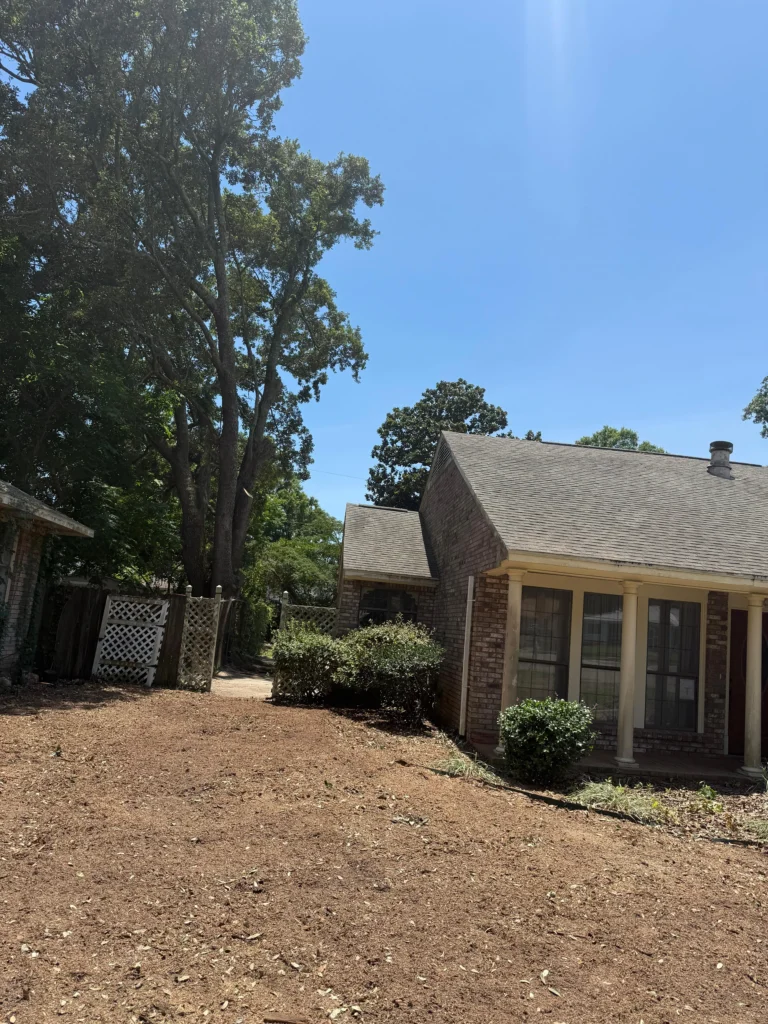
Full property clearing around residential structures in Ocean Springs, MS requires careful technique and the right equipment. Solution Tree Service LLC delivers clean, complete results right up to your home’s foundation. Contact us for a free estimate.
Landscaping After Tree Removal: Restoring Your Yard in Ocean Springs, MS
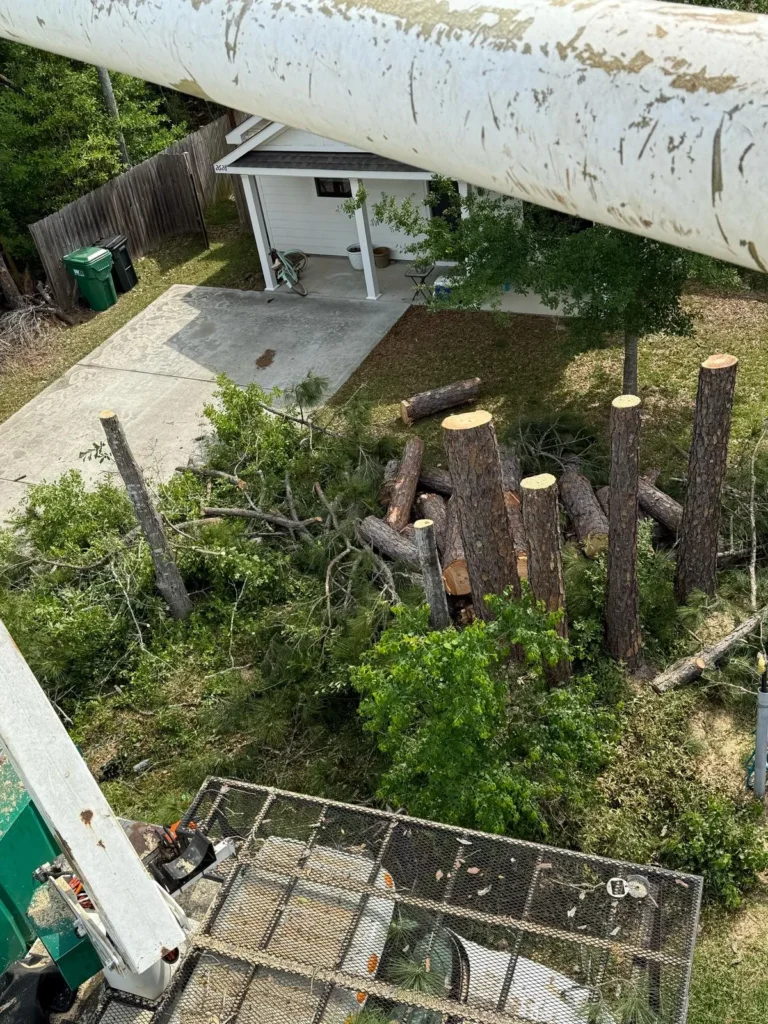
Landscaping after tree removal in Ocean Springs, MS restores your yard’s appearance, structure, and usability. Solution Tree Service LLC handles post-removal cleanup and full yard restoration. Contact us for a free estimate.
Palm Tree Trimming for Upscale Residential Properties in Ocean Springs, MS
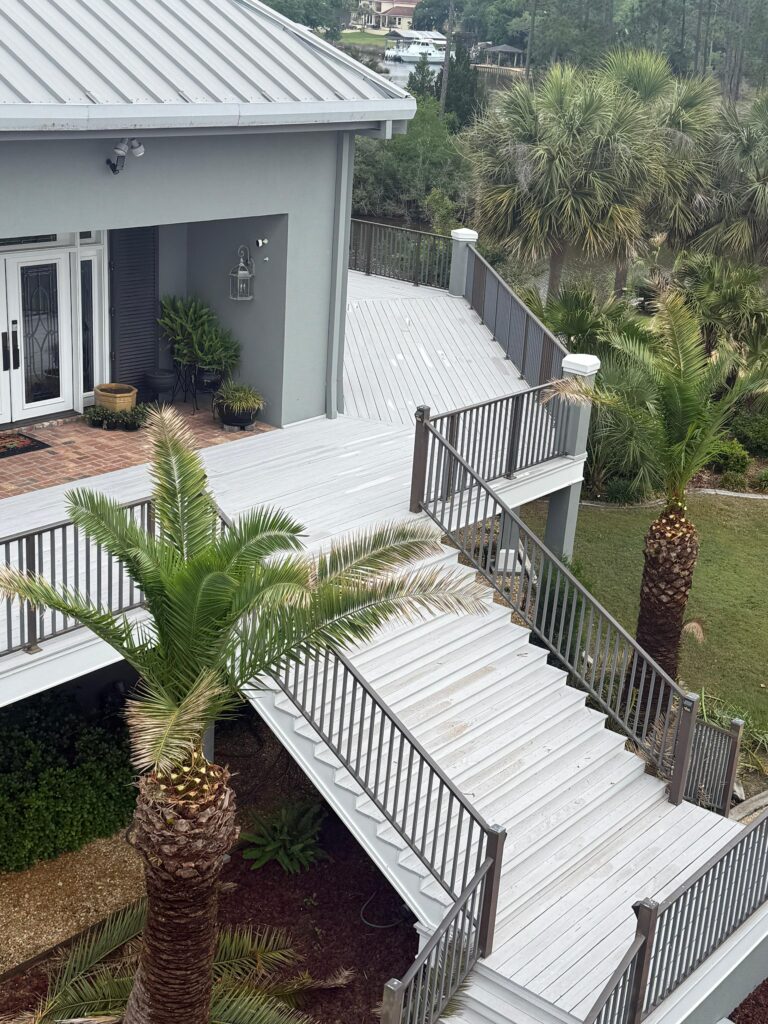
Palm tree trimming for upscale residential properties in Ocean Springs, MS requires precision and an eye for design. Solution Tree Service LLC delivers clean, detailed results that protect both your trees and your property’s appearance. Contact us for a free estimate.
Clearing Branch Overhang From Residential Rooftops in Ocean Springs, MS
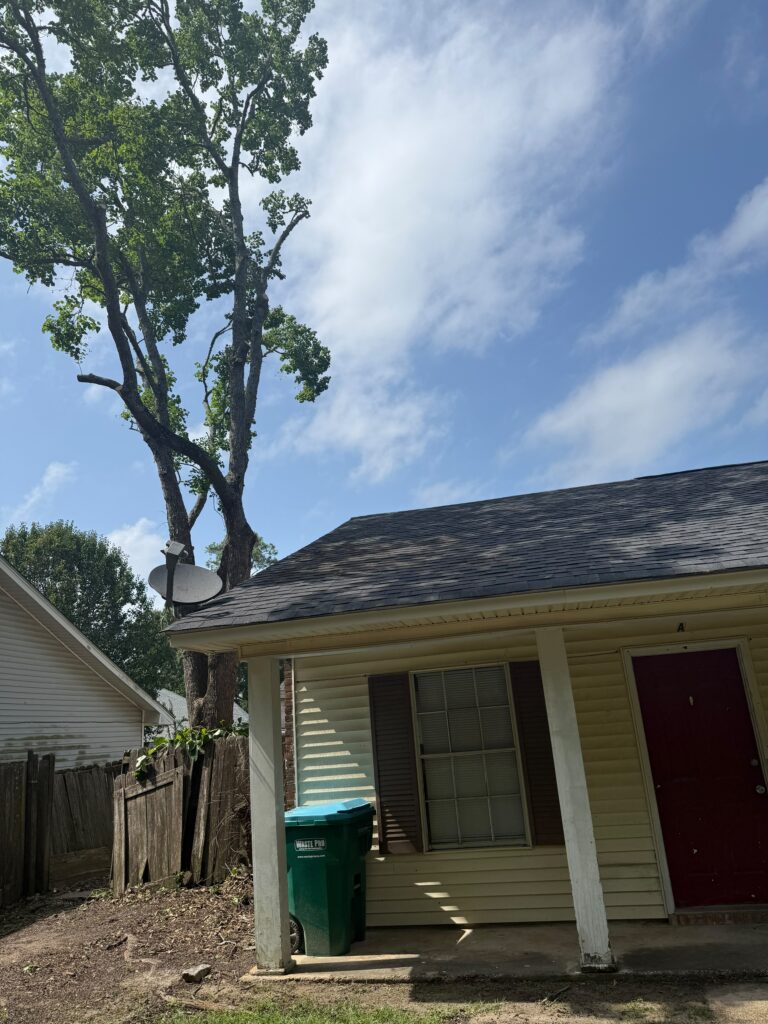
Branch overhang on residential rooftops in Ocean Springs, MS causes ongoing damage long before a storm hits. Solution Tree Service LLC clears overhanging branches safely and completely. Contact us today for a free estimate.
What a Rotting Tree Base Really Means for Your Ocean Springs, MS Property
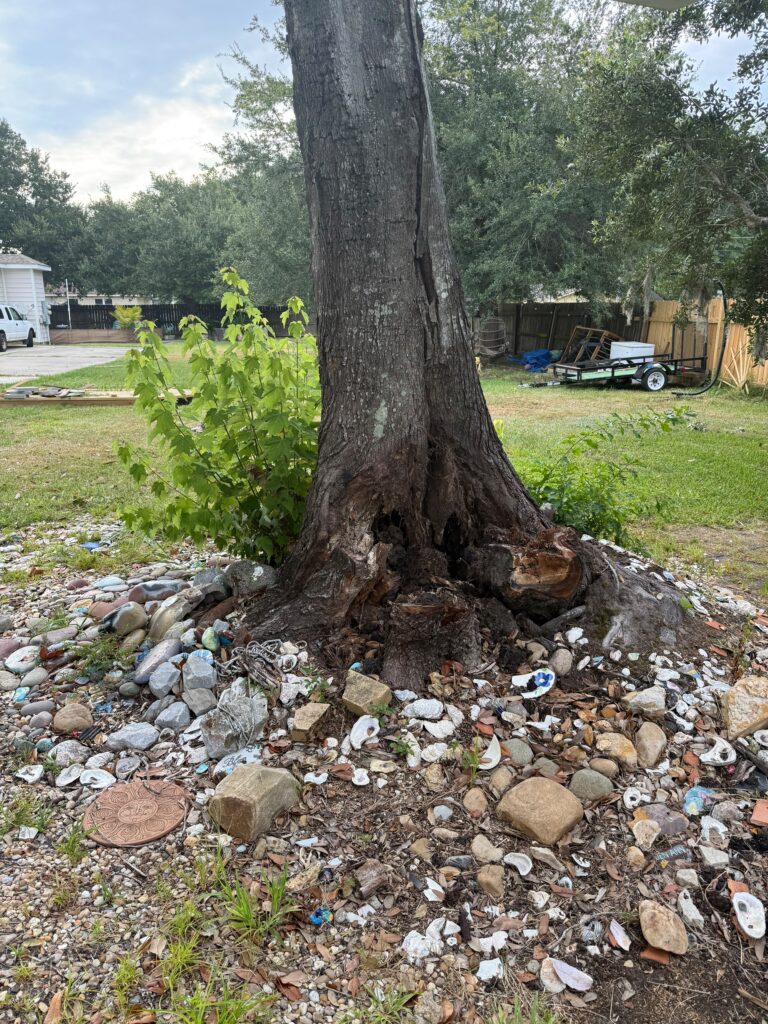
A rotting tree base in Ocean Springs, MS is a serious structural risk that can lead to sudden tree failure. Solution Tree Service LLC provides expert assessment and removal before it becomes an emergency. Call for a free estimate.
Keeping Trees at a Safe Height Near Structures in Ocean Springs, MS
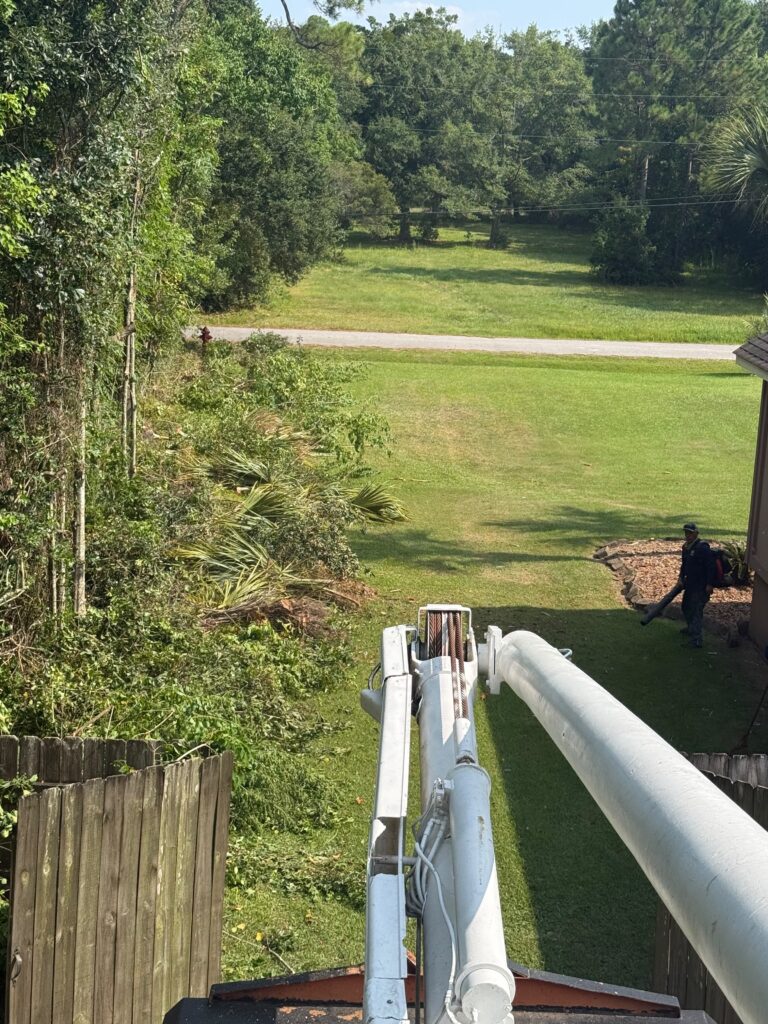
Trees growing too tall near structures in Ocean Springs, MS can cause serious damage over time. Solution Tree Service LLC provides expert height management solutions to keep your property safe. Call for a free estimate.
Tree Removal Between Structures: How We Handle Tight-Space Jobs in Ocean Springs, MS
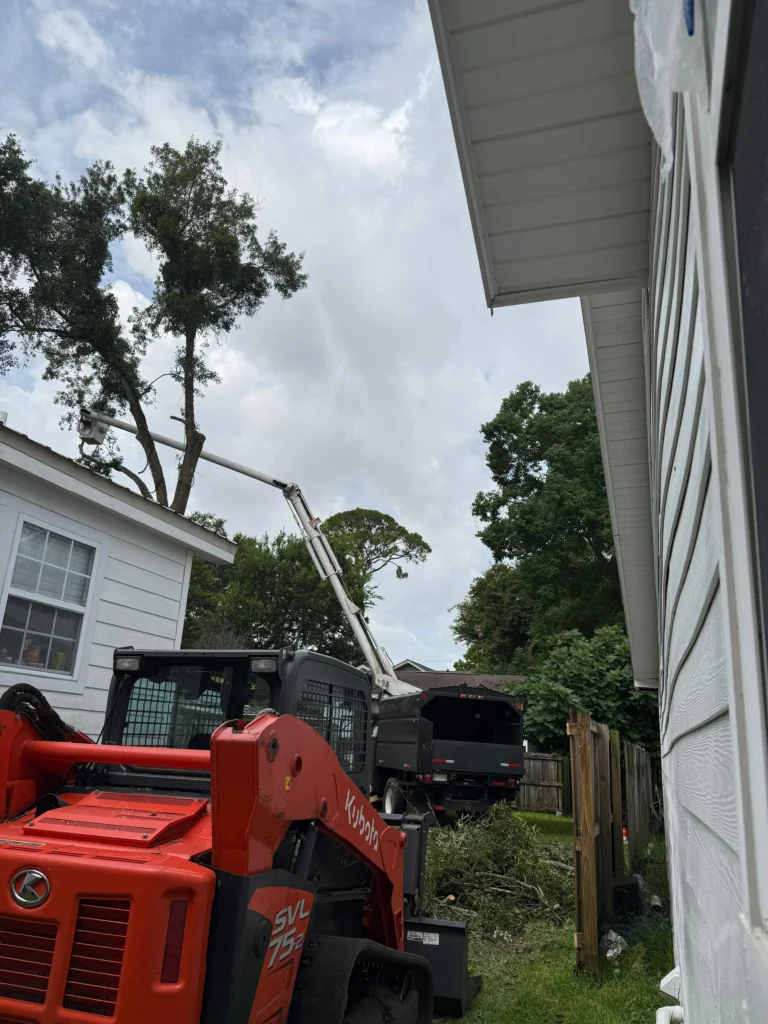
Tree removal between structures in Ocean Springs, MS requires precision, the right equipment, and experienced hands. Solution Tree Service LLC handles tight-space jobs safely and completely. Call for a free estimate today.
Reaching the Top: Elevated Tree Trimming Solutions for Ocean Springs, MS Properties
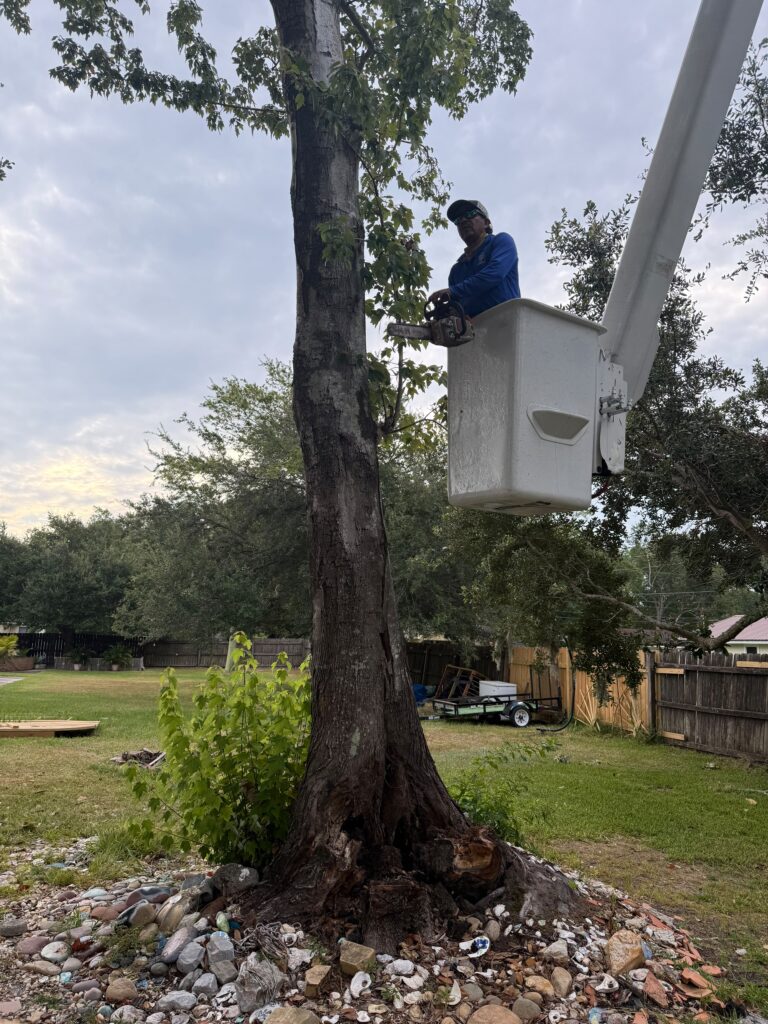
Tall trees need more than ground-level tools. Solution Tree Service LLC offers elevated tree trimming in Ocean Springs, MS using bucket trucks for safe, precise results at any height. Call for a free estimate.
What a Finished Stump Grinding Job Really Looks Like in Ocean Springs, MS
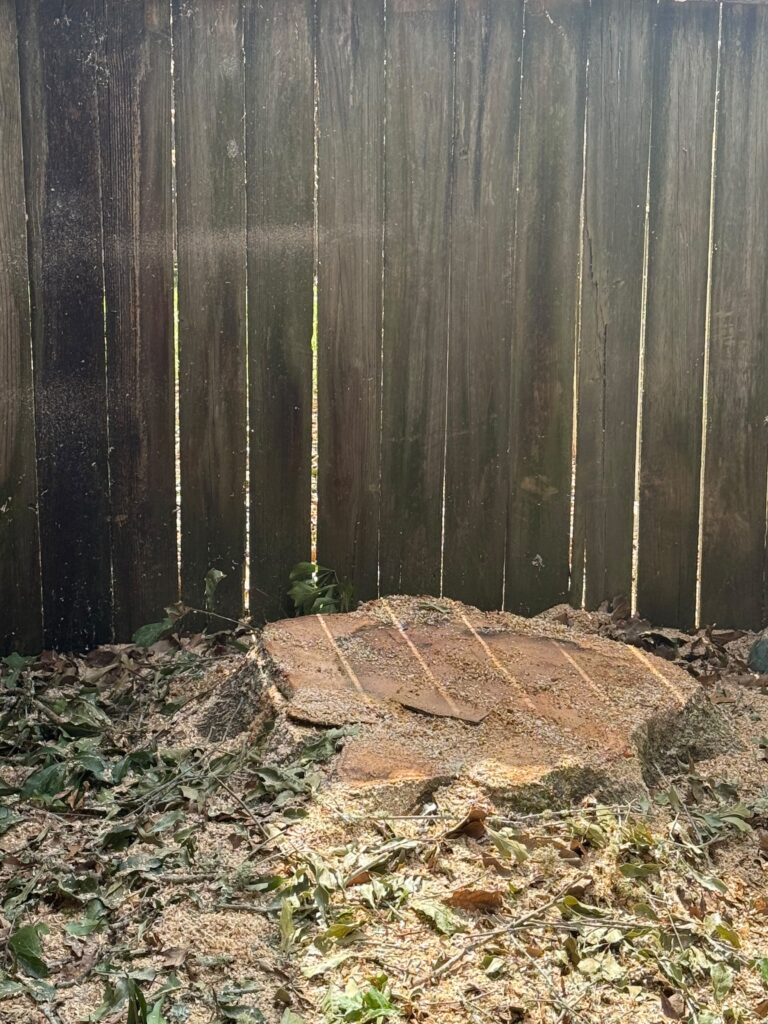
Wondering what a finished stump grinding job looks like in Ocean Springs, MS? Solution Tree Service LLC delivers clean, ground-level results that restore your yard and open up new possibilities. Call for a free estimate.
Overgrown Trees Near Your Home? Trimming Solutions for Ocean Springs, MS Residents

Overgrown trees near your home in Ocean Springs, MS can cause serious damage if left unaddressed. Solution Tree Service LLC offers expert trimming solutions to protect your property. Call today for a free estimate.