Why Removing Large Trees Requires Professional Planning
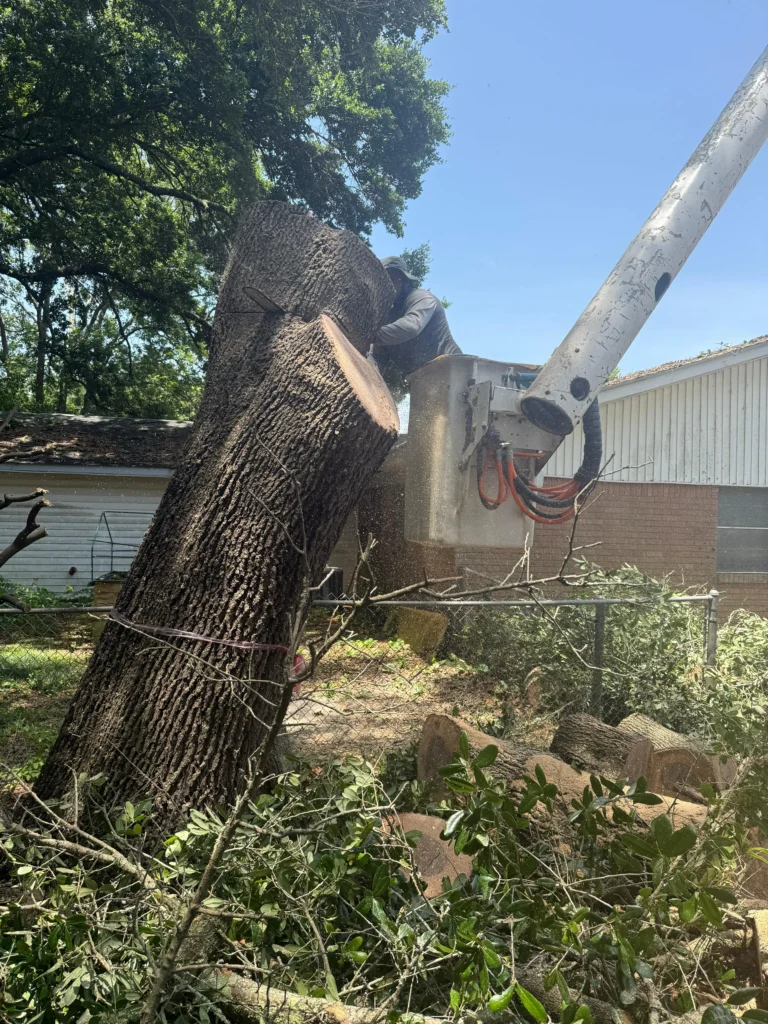
Removing large trees is a complex task that requires careful planning, specialized equipment, and professional expertise. Without the right approach, it can pose serious risks to people, property, and nearby structures. Learn why professional planning is essential for safe and efficient large tree removal.
How Regular Trimming Supports Tree Balance
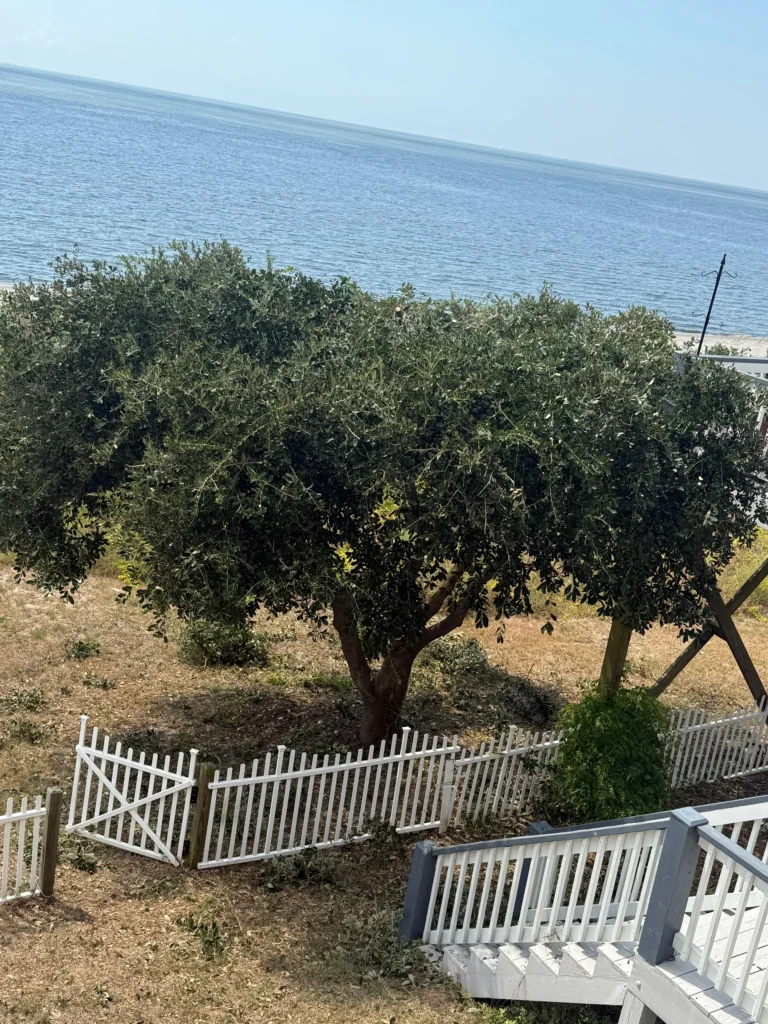
Regular tree trimming helps maintain proper balance by distributing weight evenly across the canopy and removing heavy or overgrown branches. This reduces structural stress, improves stability, and lowers the risk of damage during storms. Learn how consistent trimming keeps your trees strong, safe, and well-shaped.
The Safety Benefits of Routine Tree Trimming
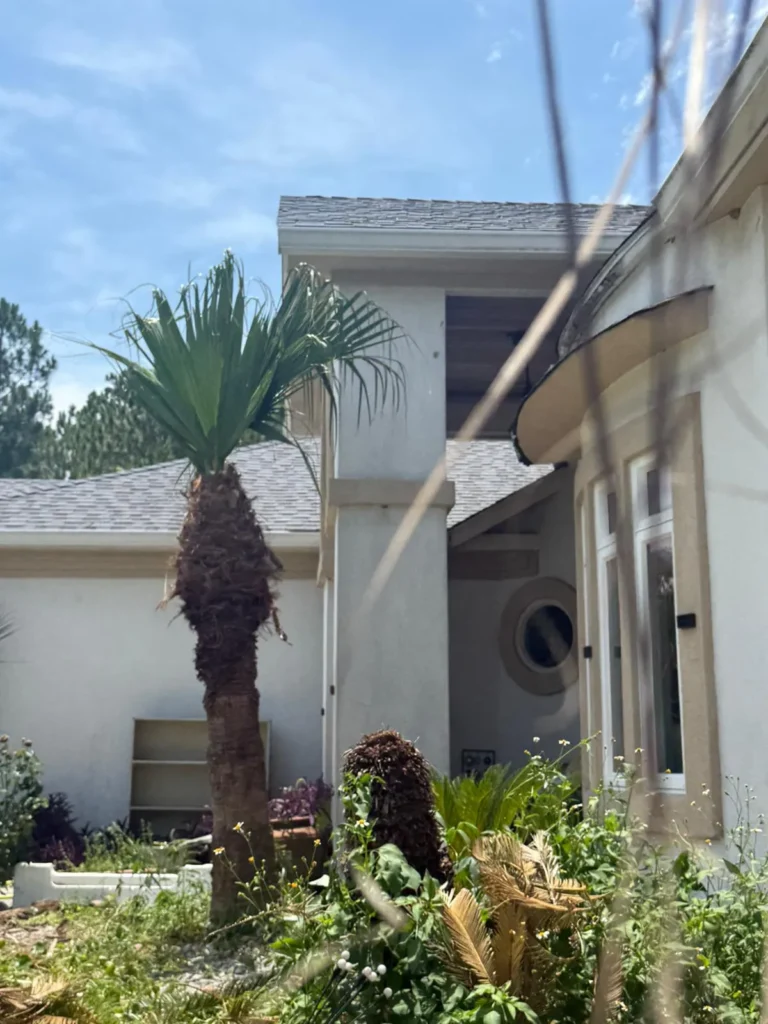
Routine tree trimming plays an important role in maintaining a safe property. By removing dead or overgrown branches and improving canopy balance, regular trimming reduces the risk of falling limbs, storm damage, and interference with structures or power lines. Learn how consistent tree maintenance helps keep your landscape safer and healthier.
How Tree Trimming Improves Overall Tree Health
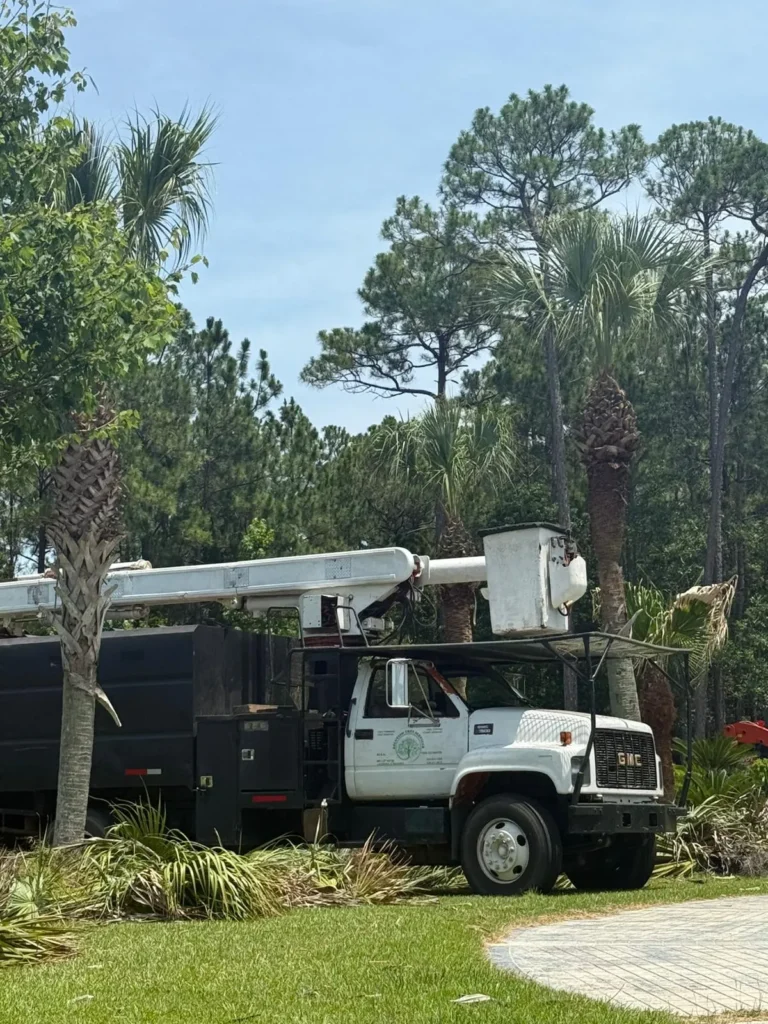
Regular tree trimming plays a key role in keeping trees healthy, strong, and well-balanced. By removing dead or damaged branches and improving airflow and sunlight exposure, trimming supports healthier growth and reduces the risk of disease. Learn how proper tree trimming helps protect your trees and maintain a safer, more attractive landscape.
When Emergency Tree Removal Is the Only Safe Option
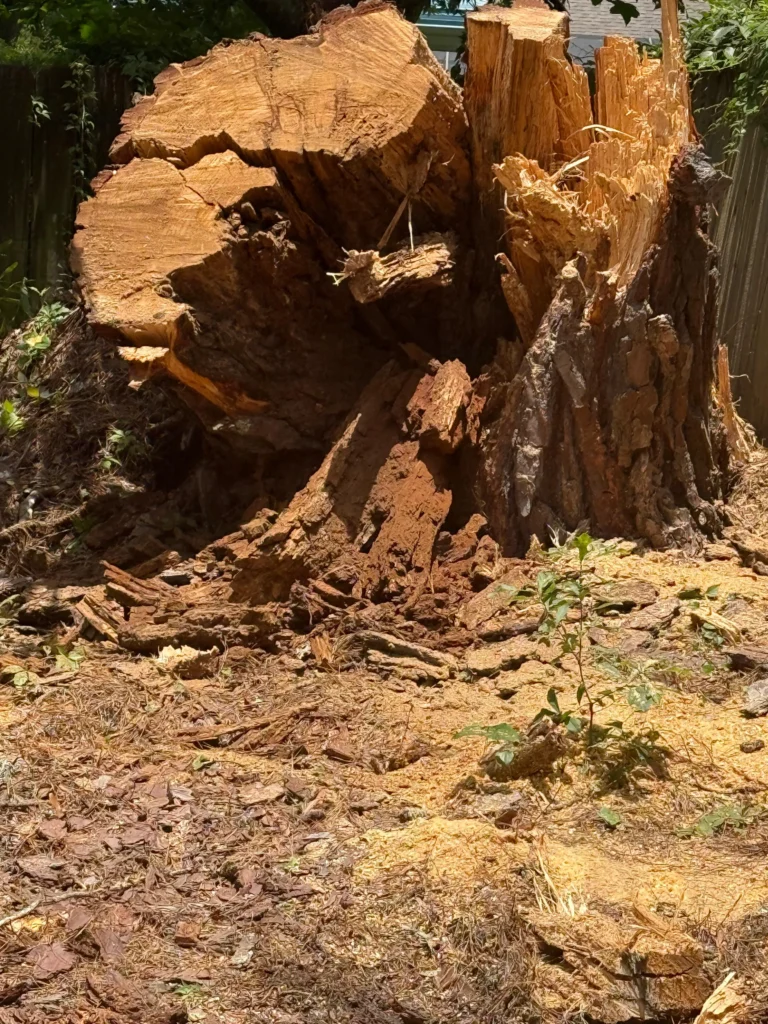
Severe storms, structural damage, or sudden tree failure can turn a once-healthy tree into an immediate safety hazard. In critical situations, emergency tree removal becomes the safest way to protect your home, family, and property. Learn when urgent action is necessary and why professional response makes all the difference.
The Difference Between Maintenance Trimming and Corrective Trimming

Tree trimming is not one-size-fits-all. Maintenance trimming helps preserve tree health and prevent future problems, while corrective trimming addresses existing structural issues and damage. Understanding the difference ensures your trees receive the right care to stay safe, balanced, and strong.
Why Stump Grinding Is the Final Step Your Property Actually Needs

Removing a tree is only part of the job. Leaving the stump behind can create safety hazards, attract pests, and limit your landscaping potential. Learn why professional stump grinding is the smartest and safest way to fully restore your property.
How Professionals Identify Hazardous Trees
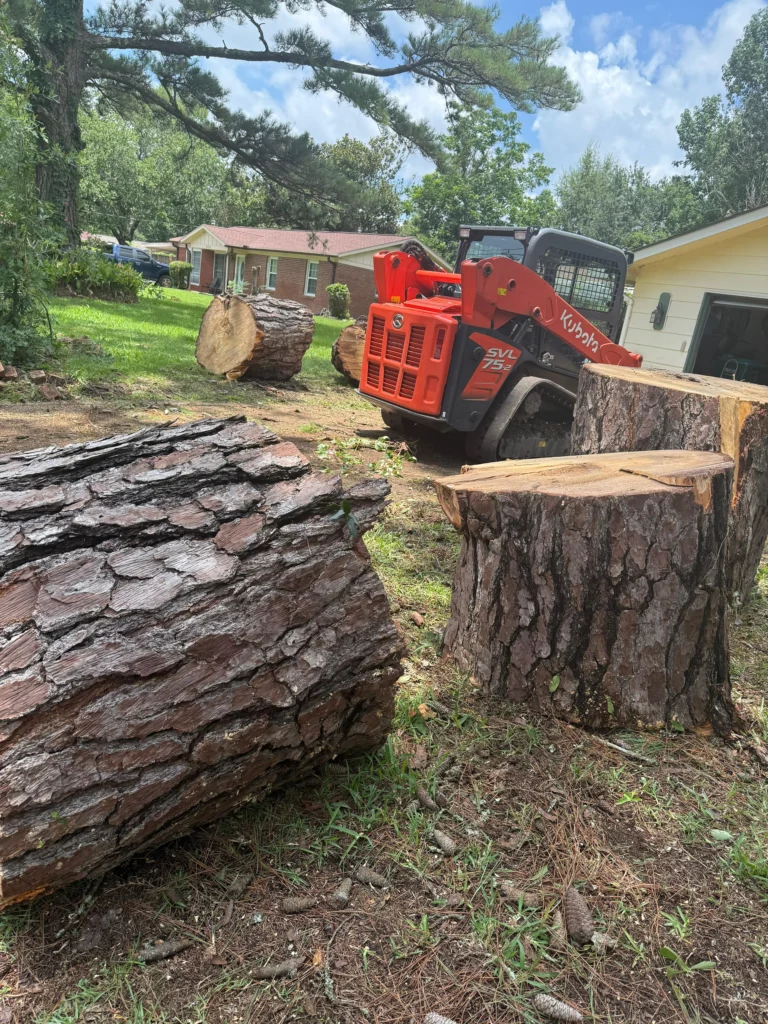
Hazardous trees often show subtle warning signs that are easy to miss without professional experience. By evaluating structural integrity, root stability, canopy balance, and surrounding risks, tree specialists can identify potential hazards early. Learn how professionals assess tree safety and why expert inspections help prevent accidents and costly damage.
Why Professional Tree Trimming Is Essential for Healthy and Safe Trees

Tree trimming is not just about appearance—it’s about safety, tree health, and property protection. Discover why professional tree trimming is essential and how it prevents costly damage while keeping your landscape in top condition.
Storm-Ready Trees: How Professional Care Prevents Costly Damage
Strong storms don’t ask for permission—and neglected trees don’t forgive mistakes. Learn how professional tree care helps protect your home, prevent emergencies, and maintain healthy trees year-round.