Palm Tree Trimming for Upscale Residential Properties in Ocean Springs, MS
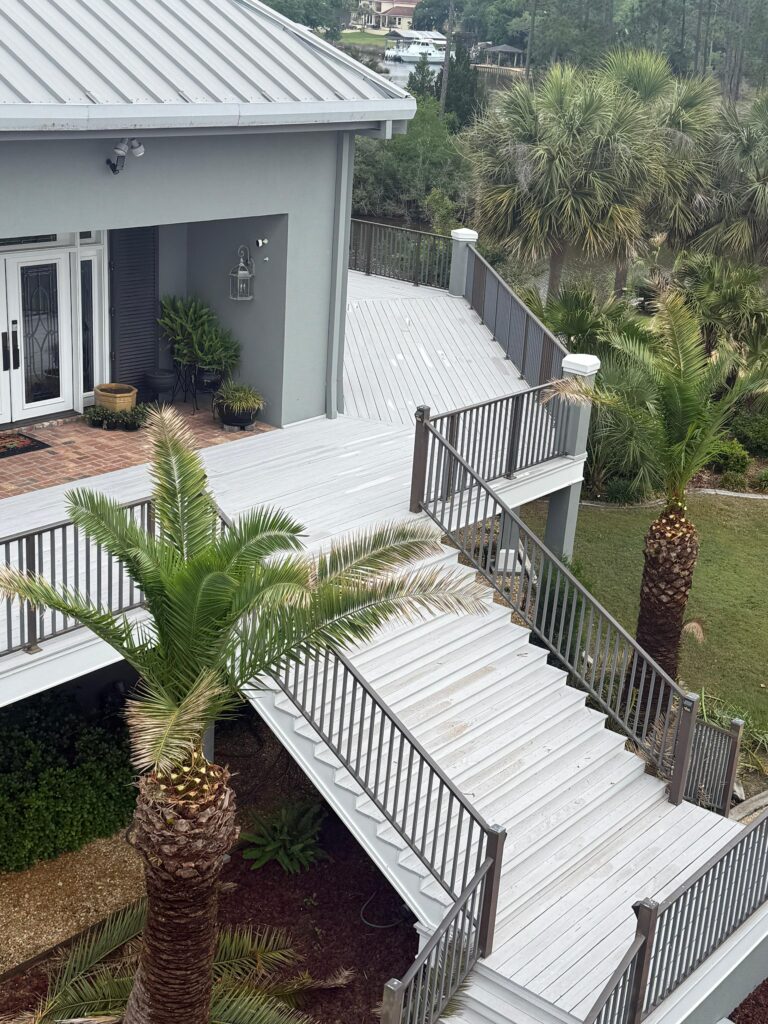
Palm tree trimming for upscale residential properties in Ocean Springs, MS requires precision and an eye for design. Solution Tree Service LLC delivers clean, detailed results that protect both your trees and your property’s appearance. Contact us for a free estimate.
Clearing Branch Overhang From Residential Rooftops in Ocean Springs, MS
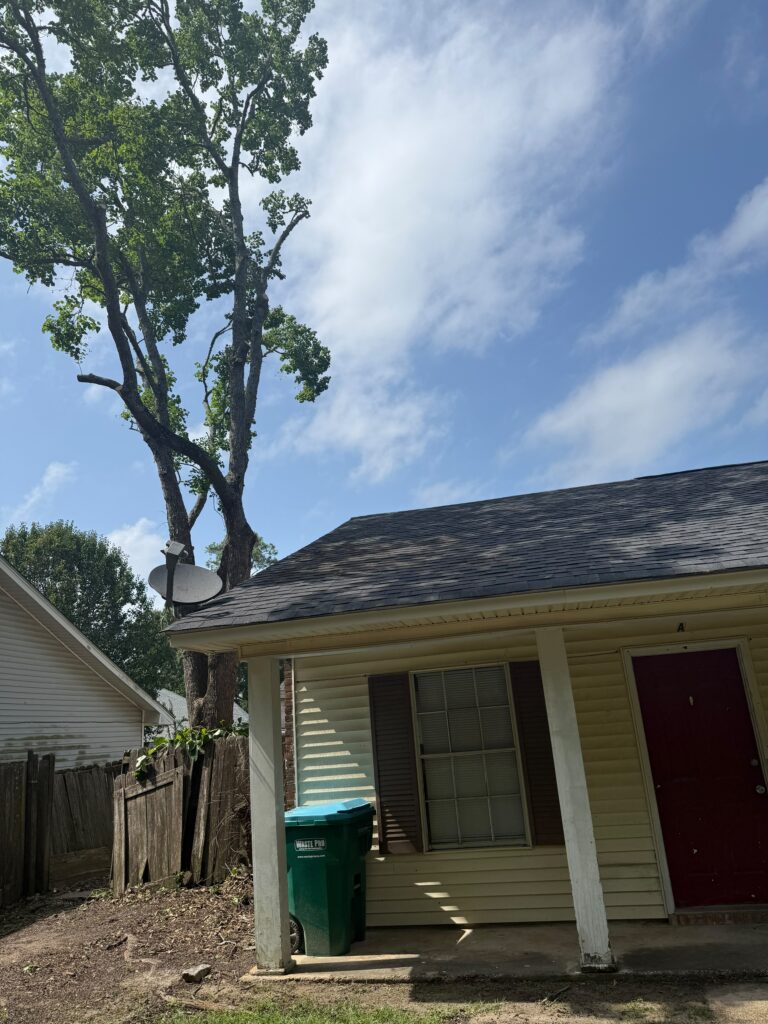
Branch overhang on residential rooftops in Ocean Springs, MS causes ongoing damage long before a storm hits. Solution Tree Service LLC clears overhanging branches safely and completely. Contact us today for a free estimate.
Reaching the Top: Elevated Tree Trimming Solutions for Ocean Springs, MS Properties
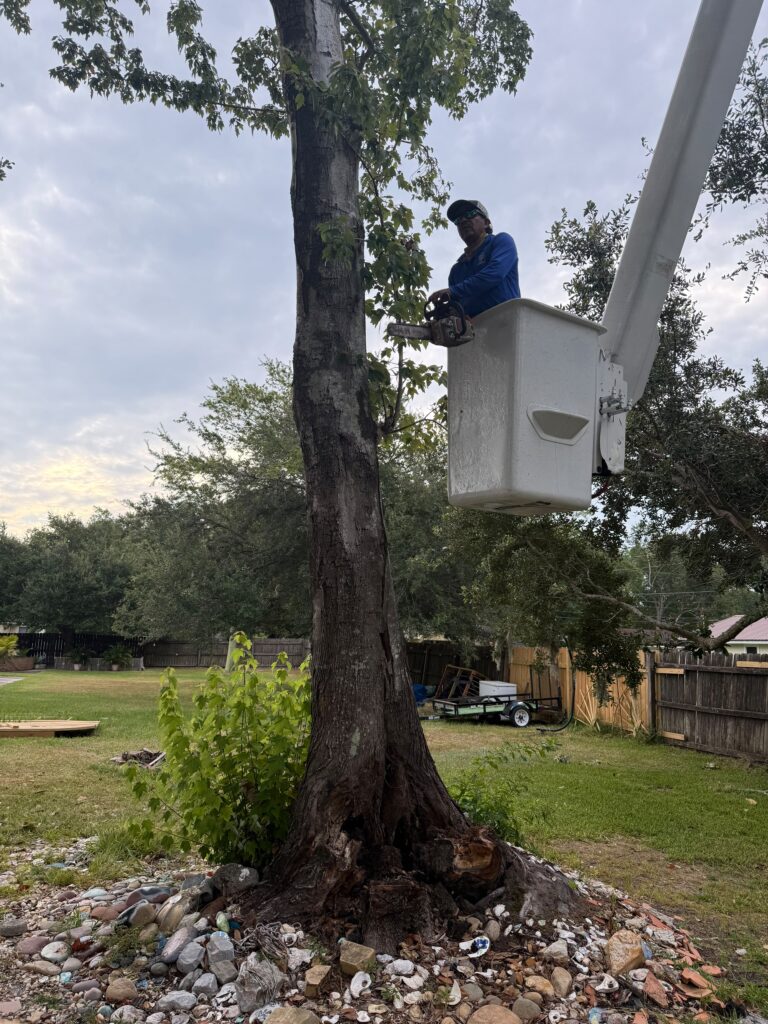
Tall trees need more than ground-level tools. Solution Tree Service LLC offers elevated tree trimming in Ocean Springs, MS using bucket trucks for safe, precise results at any height. Call for a free estimate.
Overgrown Trees Near Your Home? Trimming Solutions for Ocean Springs, MS Residents

Overgrown trees near your home in Ocean Springs, MS can cause serious damage if left unaddressed. Solution Tree Service LLC offers expert trimming solutions to protect your property. Call today for a free estimate.
Tree Trimming Versus Tree Topping: What Ocean Springs, MS Homeowners Should Know
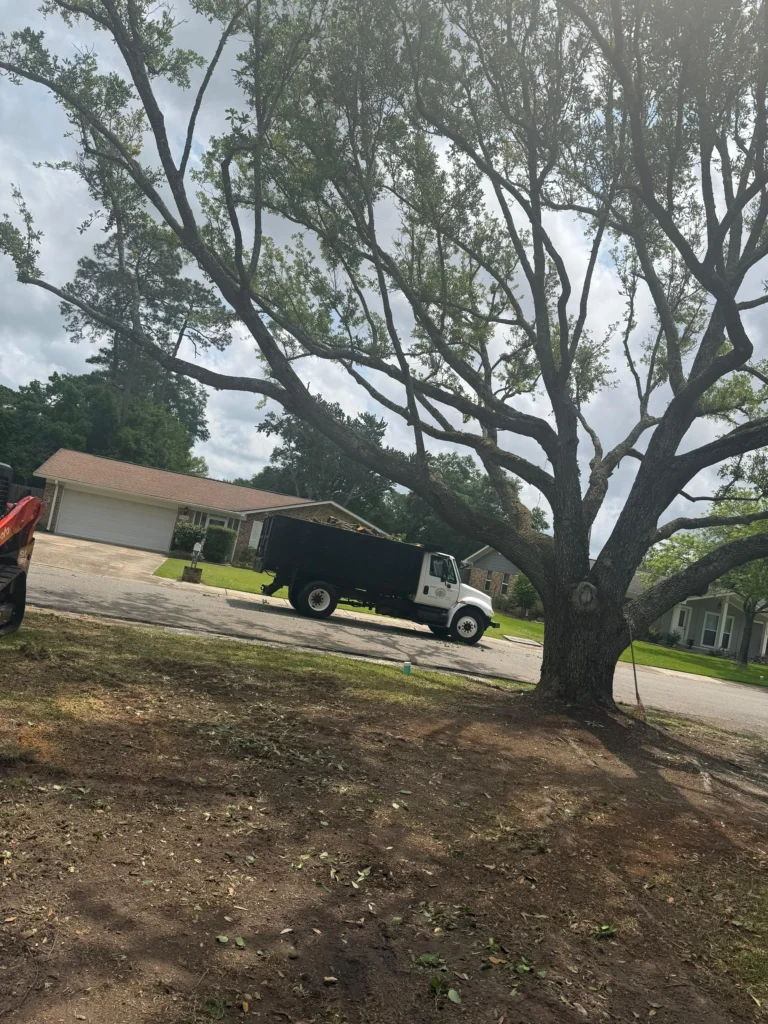
Wondering about the difference between tree trimming and tree topping in Ocean Springs, MS? Solution Tree Service LLC breaks down both services to help homeowners make the right call for their property. Call for a free estimate.
Expert Tree Trimming Services in Ocean Springs, MS for Healthy Trees
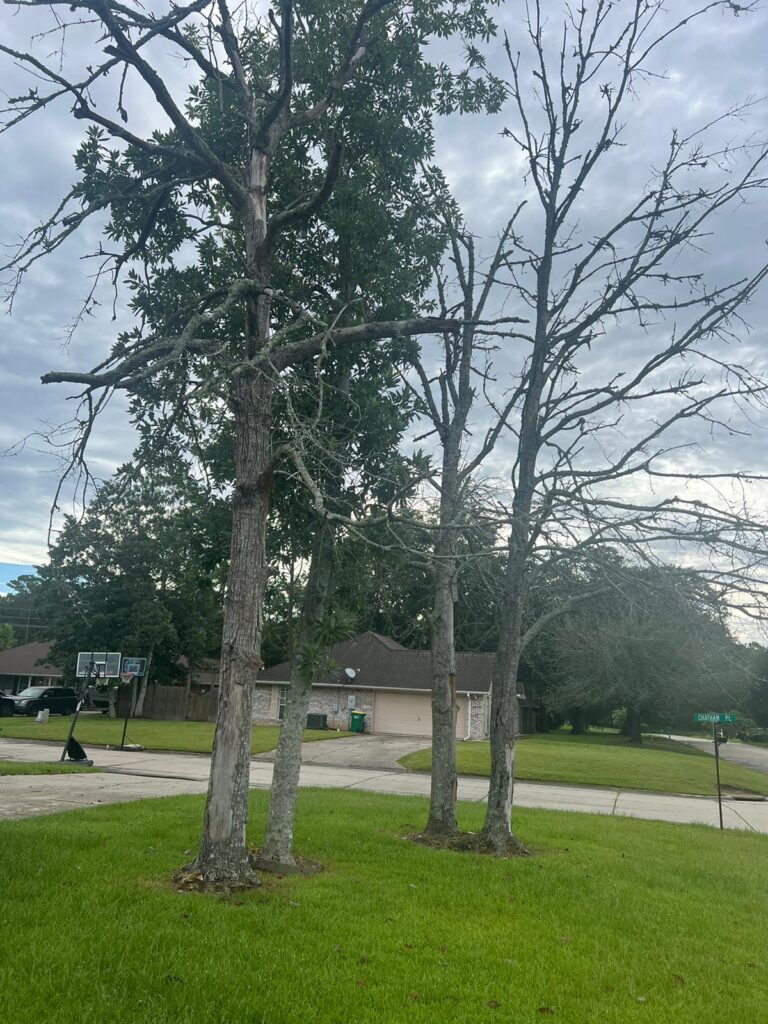
Expert tree trimming services in Ocean Springs, MS help promote healthy growth, improve safety, and enhance your landscape. Keep your trees strong and well-maintained with professional care.
How Trimming Helps Shape and Strengthen Trees

Learn how tree trimming helps shape and strengthen trees. Discover how proper trimming improves growth, enhances appearance, and prevents safety risks for your property.
How Regular Trimming Supports Tree Balance
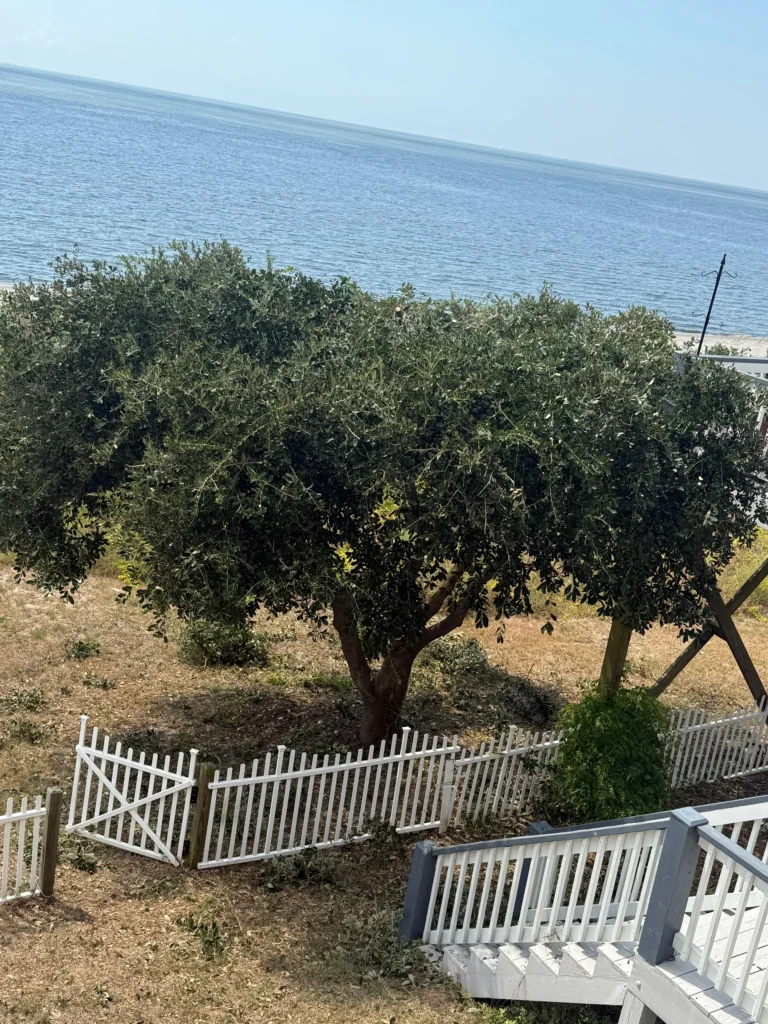
Regular tree trimming helps maintain proper balance by distributing weight evenly across the canopy and removing heavy or overgrown branches. This reduces structural stress, improves stability, and lowers the risk of damage during storms. Learn how consistent trimming keeps your trees strong, safe, and well-shaped.
The Safety Benefits of Routine Tree Trimming
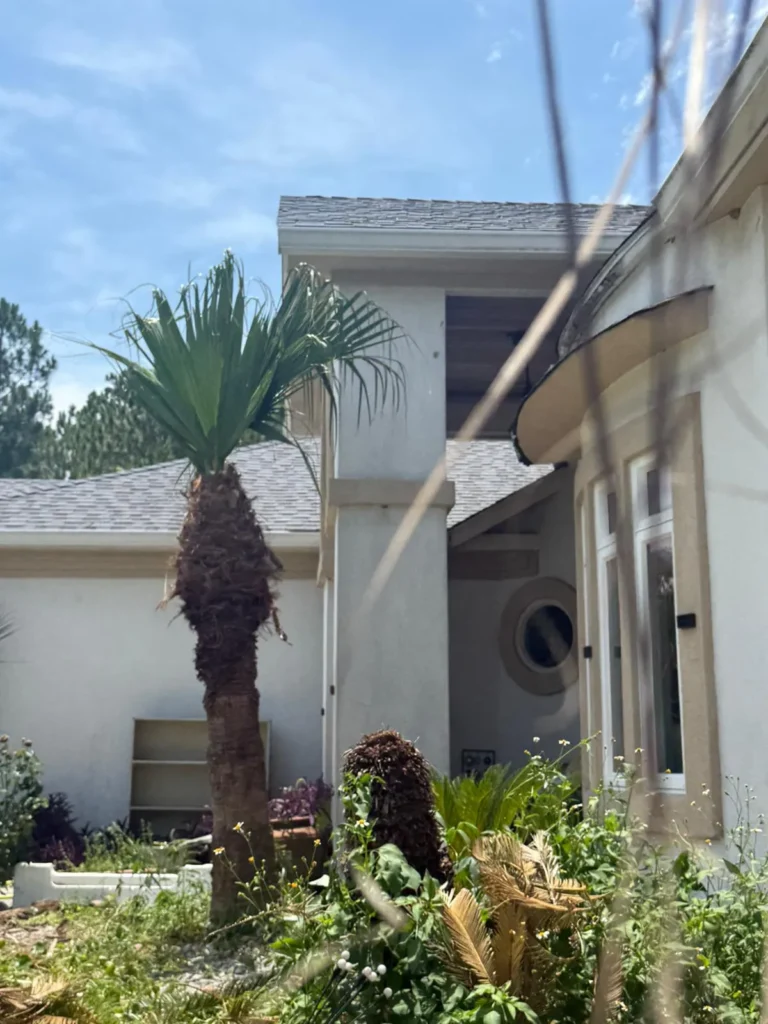
Routine tree trimming plays an important role in maintaining a safe property. By removing dead or overgrown branches and improving canopy balance, regular trimming reduces the risk of falling limbs, storm damage, and interference with structures or power lines. Learn how consistent tree maintenance helps keep your landscape safer and healthier.
How Tree Trimming Improves Overall Tree Health
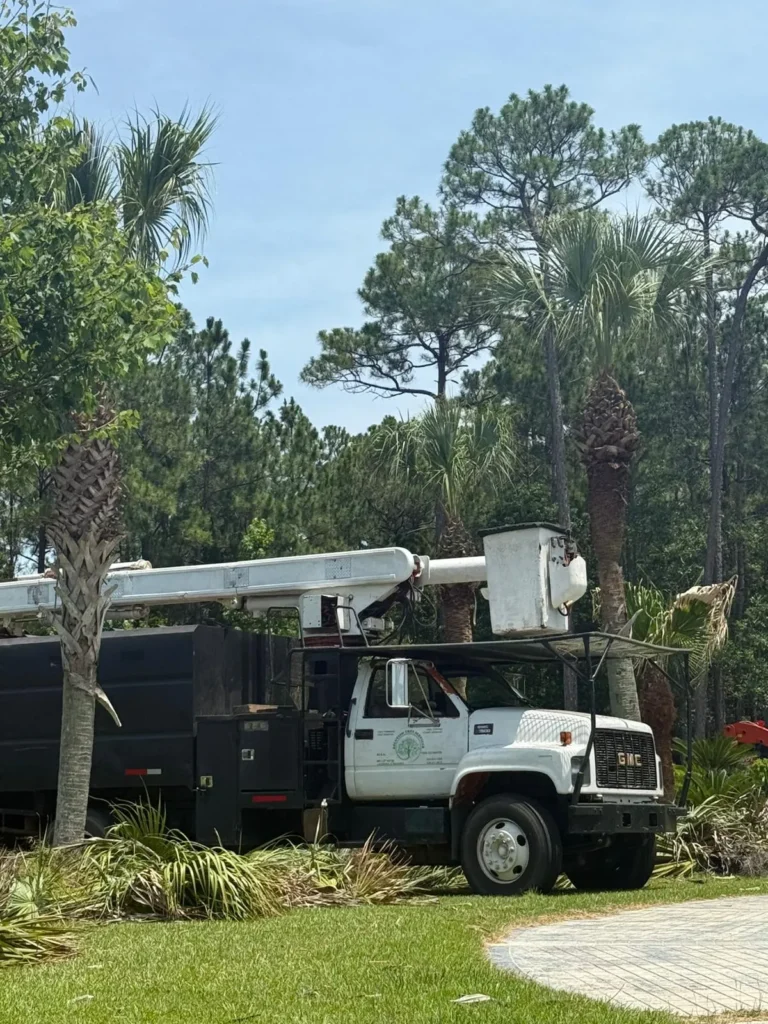
Regular tree trimming plays a key role in keeping trees healthy, strong, and well-balanced. By removing dead or damaged branches and improving airflow and sunlight exposure, trimming supports healthier growth and reduces the risk of disease. Learn how proper tree trimming helps protect your trees and maintain a safer, more attractive landscape.