Why Removing Large Trees Requires Professional Planning
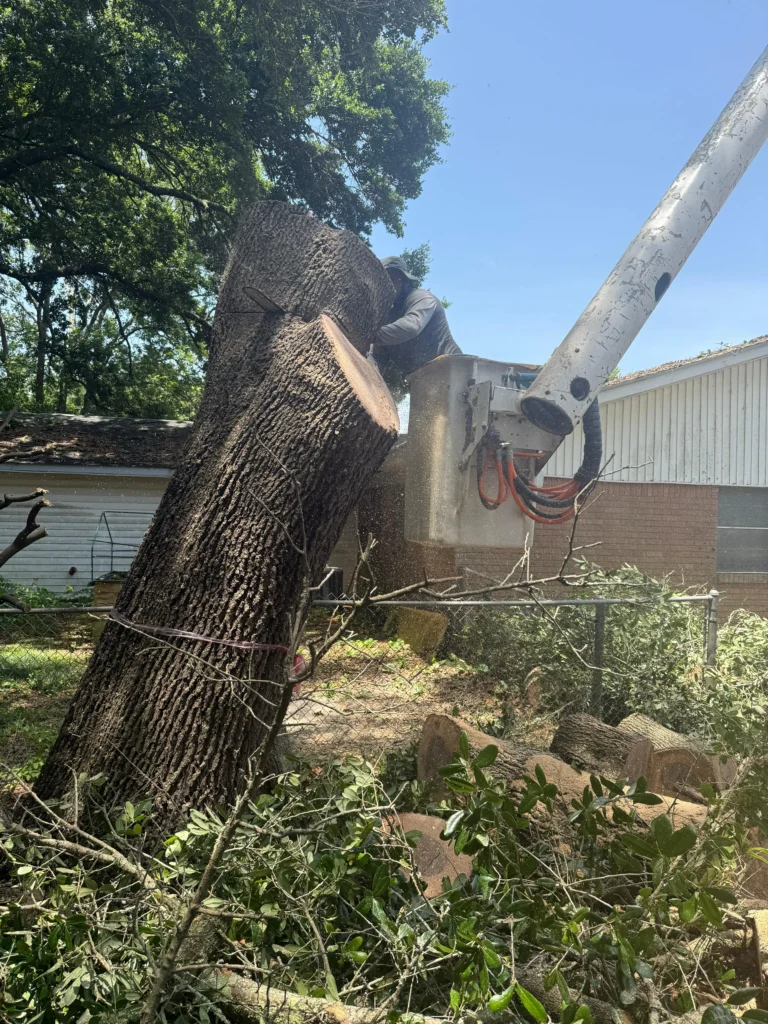
Removing large trees is a complex task that requires careful planning, specialized equipment, and professional expertise. Without the right approach, it can pose serious risks to people, property, and nearby structures. Learn why professional planning is essential for safe and efficient large tree removal.
When Emergency Tree Removal Is the Only Safe Option
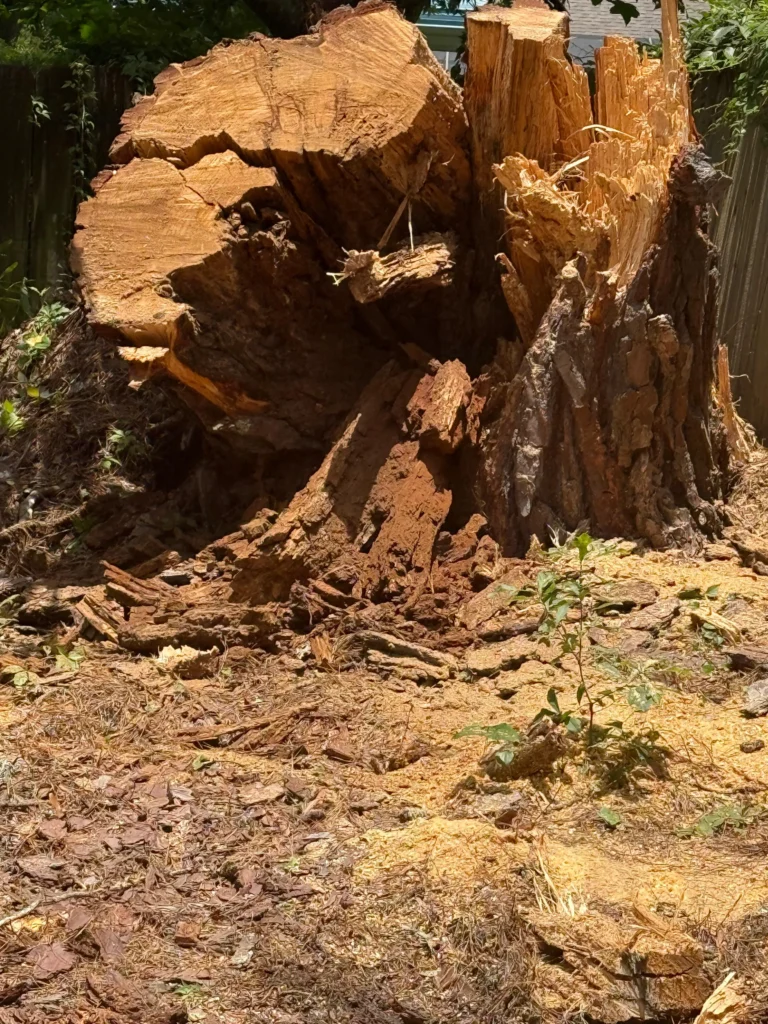
Severe storms, structural damage, or sudden tree failure can turn a once-healthy tree into an immediate safety hazard. In critical situations, emergency tree removal becomes the safest way to protect your home, family, and property. Learn when urgent action is necessary and why professional response makes all the difference.
How Professionals Identify Hazardous Trees
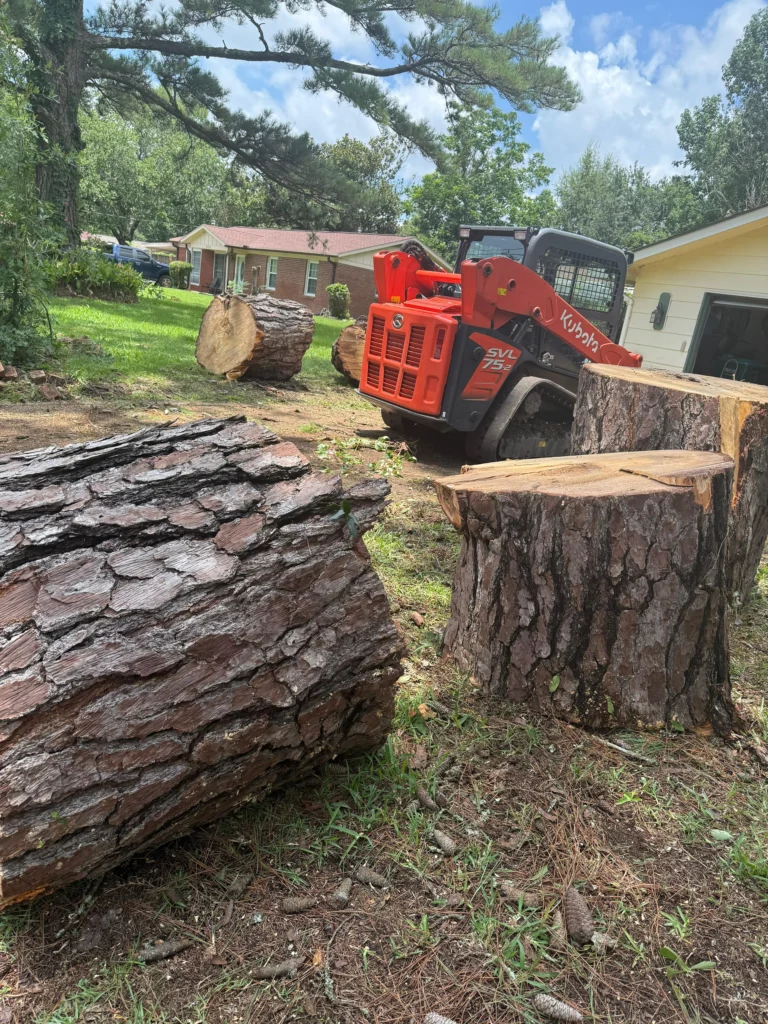
Hazardous trees often show subtle warning signs that are easy to miss without professional experience. By evaluating structural integrity, root stability, canopy balance, and surrounding risks, tree specialists can identify potential hazards early. Learn how professionals assess tree safety and why expert inspections help prevent accidents and costly damage.
Storm-Ready Trees: How Professional Care Prevents Costly Damage
Strong storms don’t ask for permission—and neglected trees don’t forgive mistakes. Learn how professional tree care helps protect your home, prevent emergencies, and maintain healthy trees year-round.
Why Some Trees Cannot Be Saved
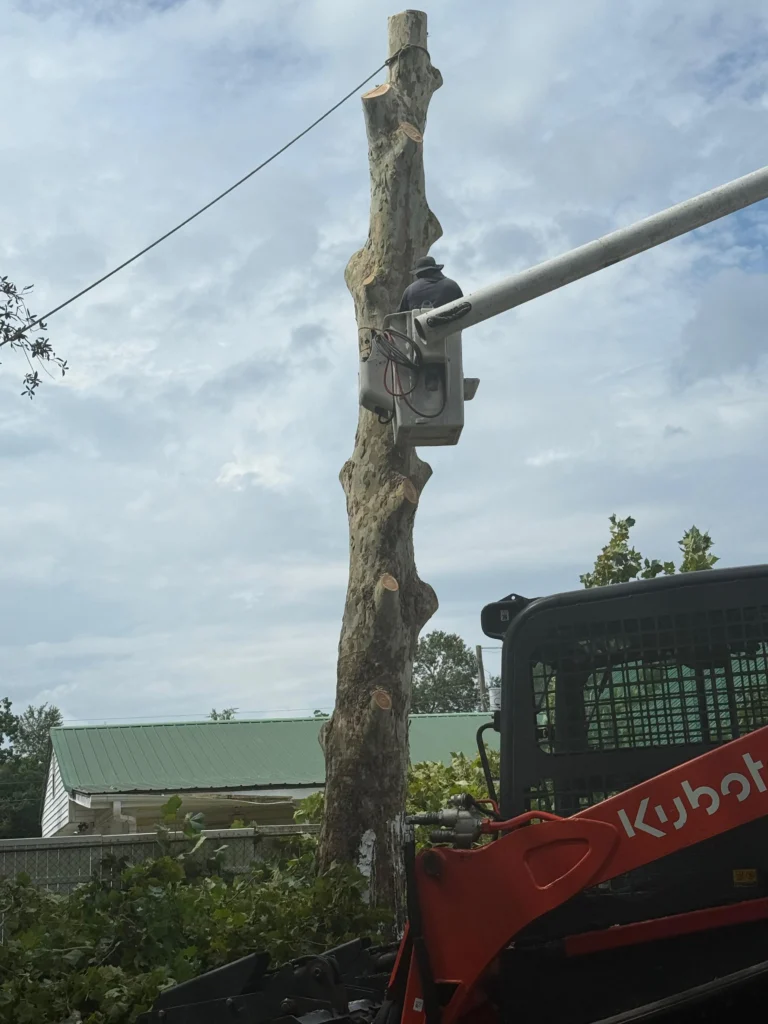
Not all trees can recover from severe damage or long-term decline. Advanced decay, structural failure, root damage, and untreated disease can reach a point where saving a tree is no longer safe or possible. Learn why some trees cannot be saved and when professional removal becomes the best option to protect your property.
Why Some Trees Become Unsafe Over Time
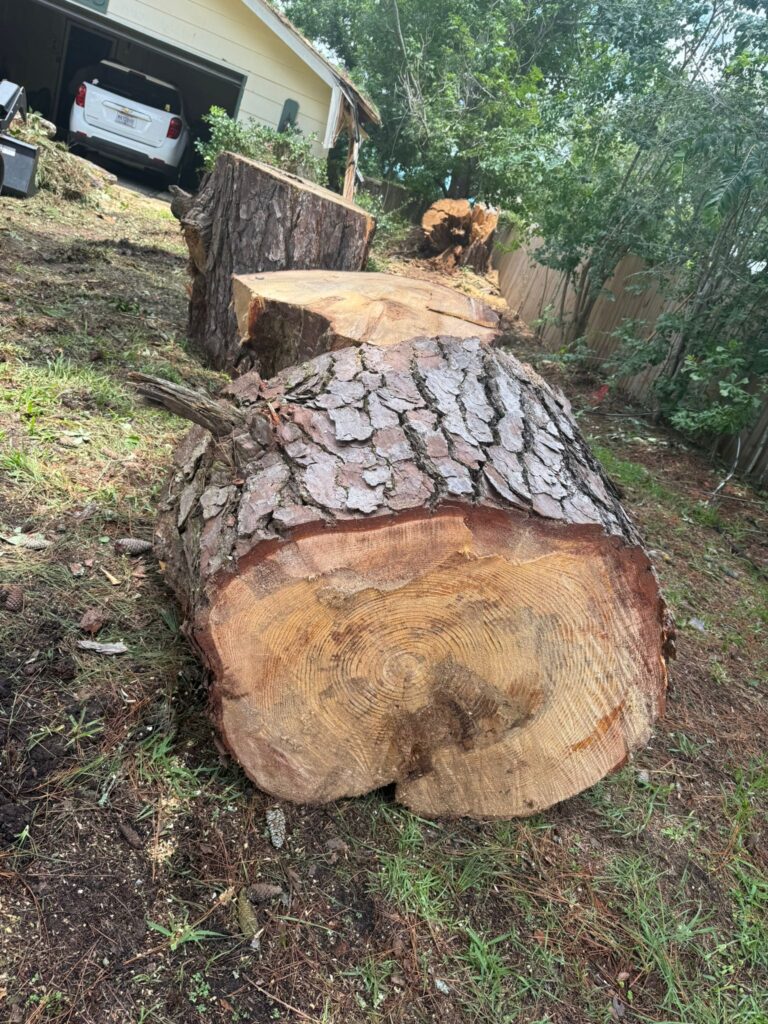
Trees can slowly develop hidden structural issues that make them unsafe over time. Aging, environmental stress, disease, and repeated weather exposure can weaken stability without obvious warning signs. Learn why some trees become hazardous and how early action helps protect your property and safety.
Why Ignoring a Dying Tree Can Be Dangerous

A dying tree may seem harmless, but weakened wood, hidden decay, and structural instability can turn it into a major hazard. Ignoring early warning signs increases the risk of sudden collapse, property damage, pest infestations, and costly emergencies. Learn why taking action early is essential for keeping your home and landscape safe.
Signs a Tree Needs to Be Removed

When a tree shows signs of weakness, decay, or structural damage, it can quickly become a serious hazard. Learning how to identify early warning signs—such as leaning, dead branches, trunk cracks, or root problems—can help you protect your home and prevent costly damage. Discover the most common indicators that a tree may need to be removed and why timely action is essential for your safety.